43 Hanna Avenue · Toronto
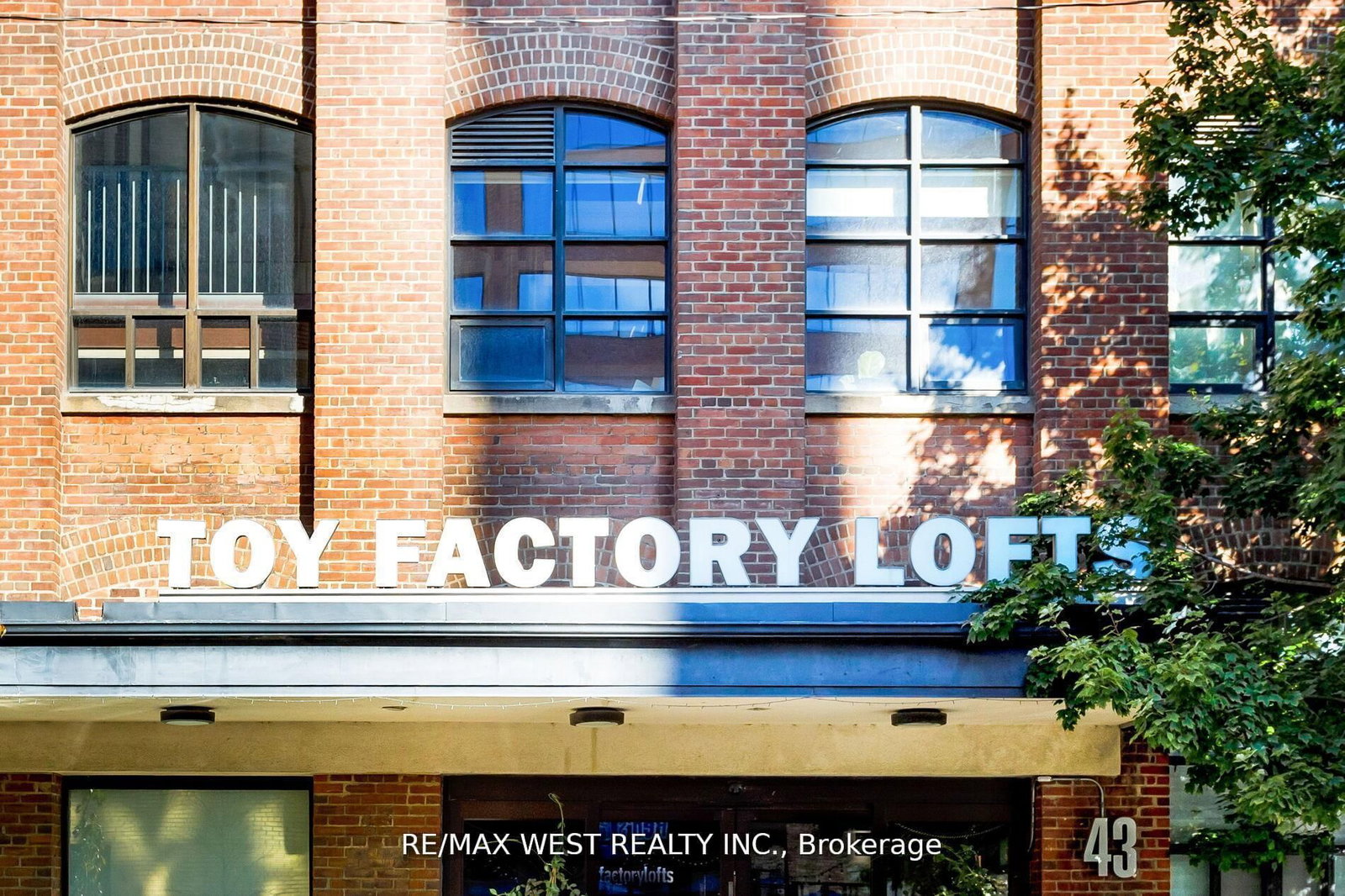
Toy Factory Lofts
Industrial heritage lofts in Liberty Village
Currently Listed$259,900 to $849,900
Sold & Leased History
Past 18 months of closed transactions at Toy Factory Lofts. Prices unlocked after registration.
| Date | Unit | Beds / Baths | Sqft | Price | Status | |
|---|---|---|---|---|---|---|
| 2026-04-20 | #2106 | 1 bed · 2 baths | 600-699 | •••••• | Leased | |
| 2026-02-10 | #1811 | 2 beds · 2 baths | 600-699 | •••••• | Leased | |
| 2026-02-09 | #612 | 1 bed · 1 bath | 700-799 | •••••• | Leased | |
| 2026-02-03 | #521 | 1 bed · 1 bath | 900-999 | •••••• | Sold | |
| 2026-01-27 | #115 | 2 beds · 2 baths | 1400-1599 | •••••• | Leased | |
| 2026-01-14 | #813 | 1 bed · 2 baths | 600-699 | •••••• | Leased | |
| 2025-11-30 | #301 | 1 bed · 1 bath | 800-899 | •••••• | Leased | |
| 2025-11-21 | #803 | 1 bed · 1 bath | 0-499 | •••••• | Leased | |
| 2025-11-21 | #705 | 2 beds · 2 baths | 800-899 | •••••• | Sold | |
| 2025-11-18 | #126 | 1 bed · 2 baths | 1000-1199 | •••••• | Leased |
Toy Factory Lofts: 43 Hanna Ave Hard & Soft Lofts in Liberty Village
Key Takeaways
Toy Factory Lofts at 43 Hanna Ave are Liberty Village’s signature hard and soft loft conversion, originally the Irwin Toy factory and fully converted into residential units in 2008.
Ceiling heights range from approximately 10 to 17 feet across the building’s 215 units spanning 8 storeys, with authentic hard lofts on lower floors and modern soft lofts above.
This guide covers building history, suite types, amenities, Liberty Village lifestyle, and a practical buyer and tenant guide for 2026 market conditions.
Toy Factory Lofts are considered one of Toronto’s most sought-after factory loft addresses due to limited supply, heritage character, and strong local amenities in a revitalized urban neighborhood.
Introduction to Toy Factory Lofts
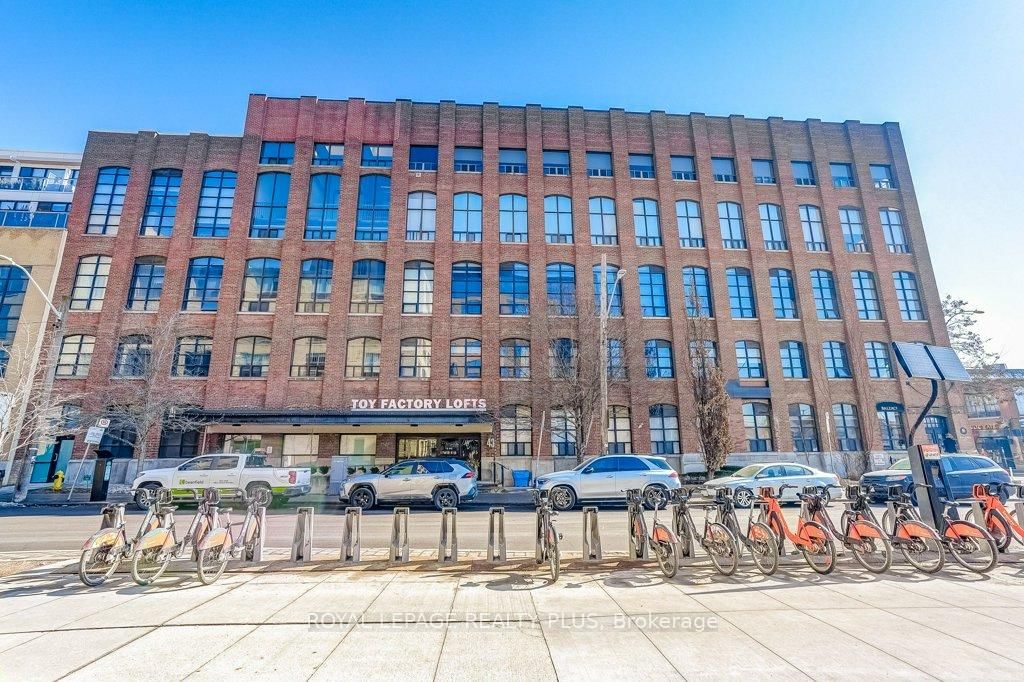
Toy Factory Lofts at 43 Hanna Avenue stands as Liberty Village’s flagship loft conversion. Originally home to Canada’s oldest toy company, this building represents what authentic loft living actually looks like in Toronto. The 2008 residential conversion transformed a working factory into approximately 215 units that blend industrial heritage with modern urban living.
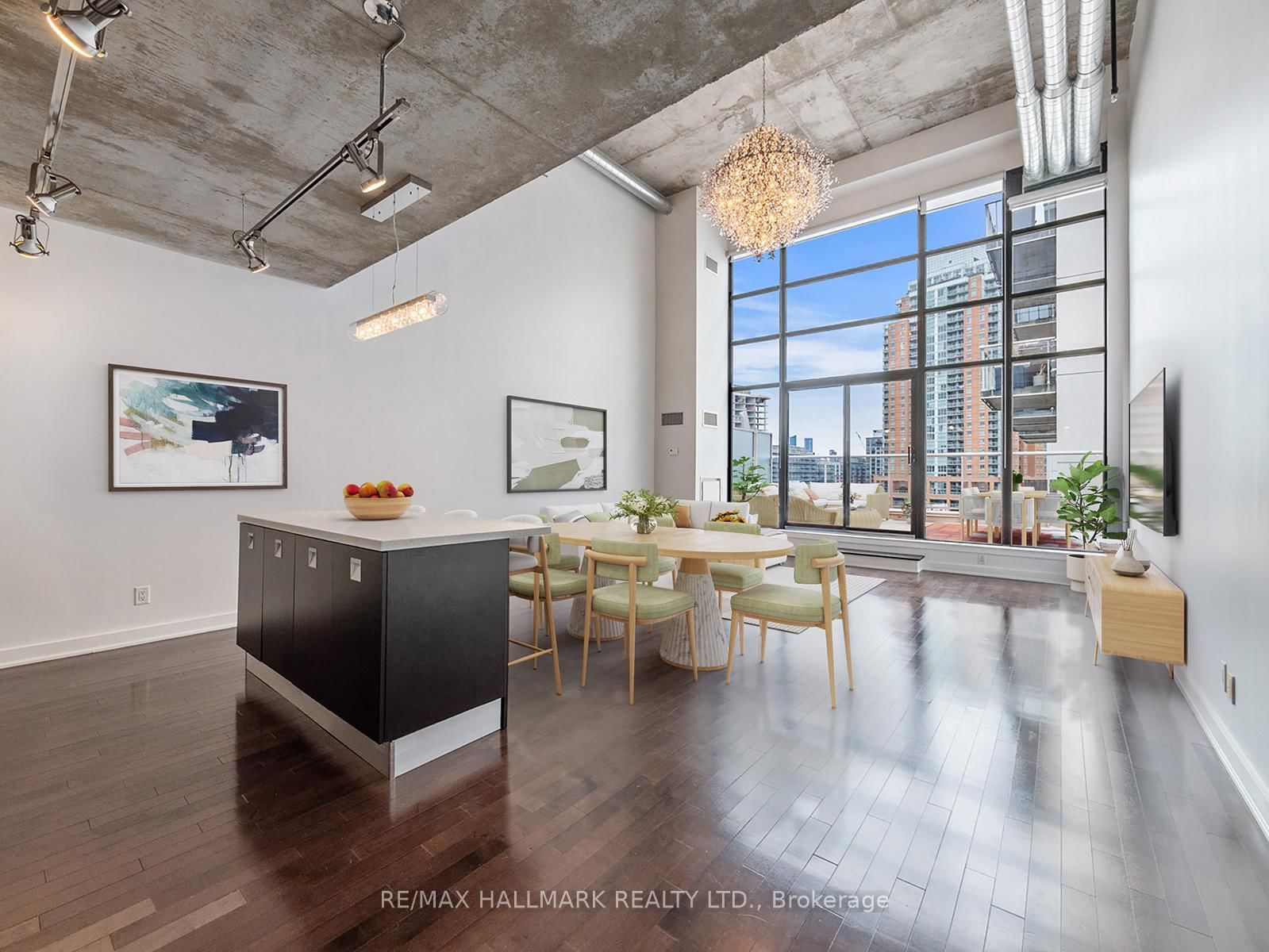
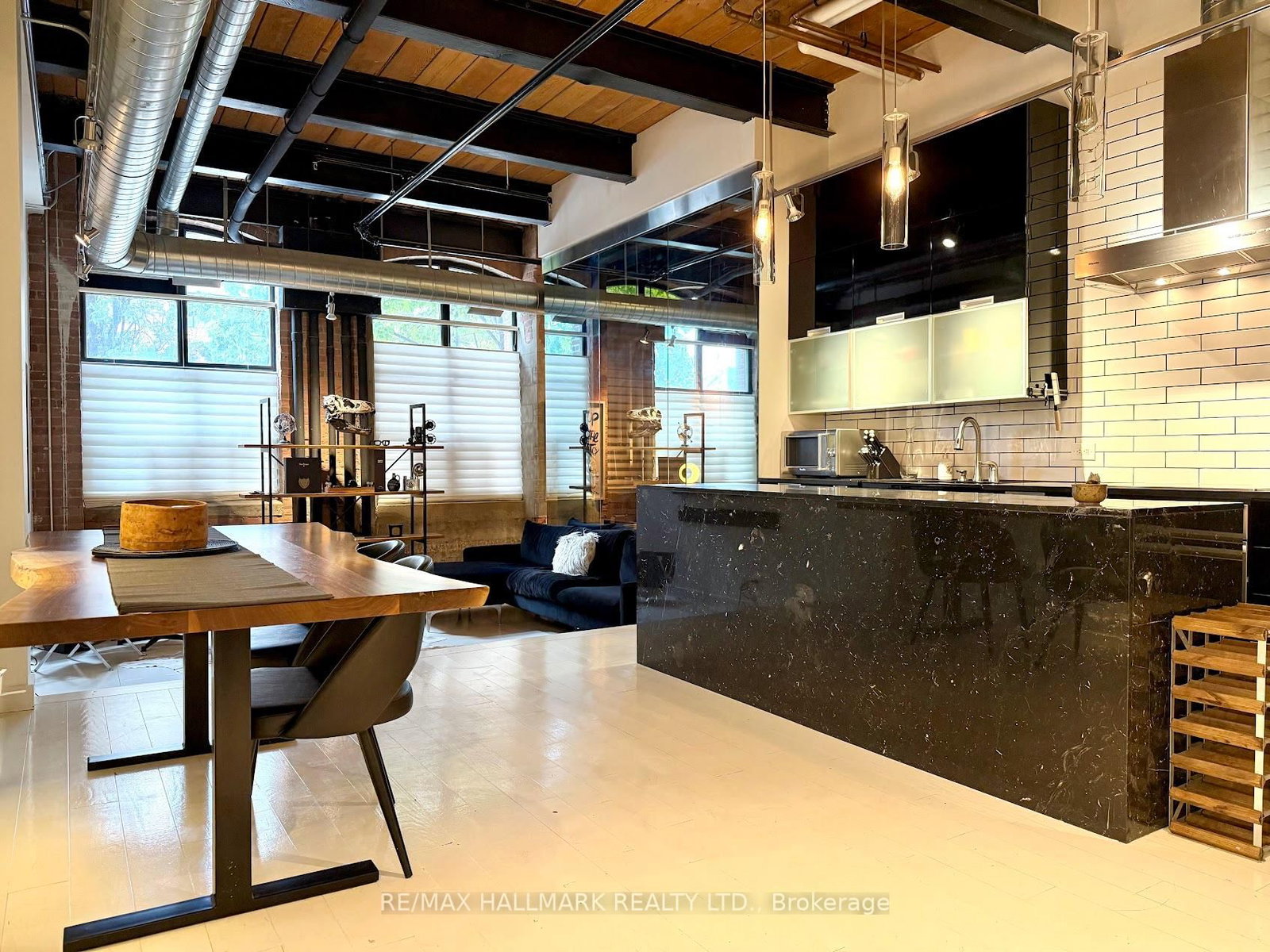
What separates factory lofts from typical condos? The bones. We’re talking original industrial structure: exposed brick walls several feet thick, solid Douglas fir posts, steel ceiling beams, and massive warehouse-style windows that flood spaces with natural light. These aren’t design choices—they’re the real thing, preserved from the building’s manufacturing past.
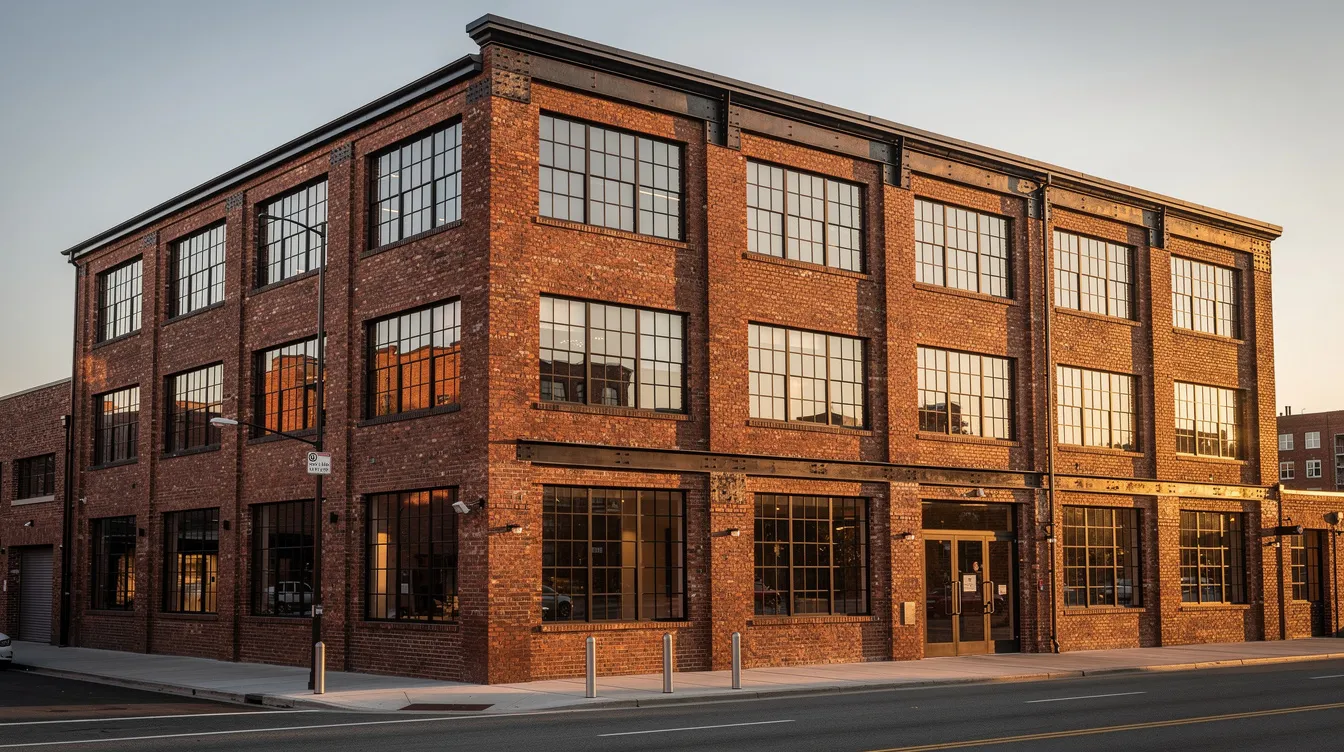
The Toy Factory Lofts features a total of 215 residential units across 8 storeys, with unit sizes ranging from approximately 600 square feet to 3,000 square feet. Ceiling heights span from 10 feet in the hard lofts to 17 feet in select soft loft and penthouse units. The building attracts young professionals, creatives, downsizers, and investors who prioritize heritage character and proximity to downtown Toronto over cookie-cutter condo layouts.
A Toronto Landmark Reimagined
The building’s story starts in the early 1900s as a Hinde & Dauch paper production facility. The Ohio-based company acquired the property in 1910 and expanded significantly through the 1920s. After Domtar took over, the site became something more memorable: headquarters and warehouse for Irwin Toy Limited.
The Toy Factory Lofts, located at 43 Hanna Avenue, was originally constructed in the early 1900s as a paper production facility before becoming the headquarters of Irwin Toy, Canada’s oldest toy company, in 1940. At its peak, the facility operated up to 10 assembly lines—nine on the second floor and one in the basement. The building was added to the City of Toronto Inventory of Heritage Properties in 2004, recognizing its significance as a landmark structure in the Liberty Village area.
The timeline runs like this: industrial construction in stages from 1893 through the 1920s, Irwin Toy occupancy from 1940 through the late 20th century, financial difficulties leading to a 2001 sale, and finally the 2008 conversion that gave us today’s residential community.
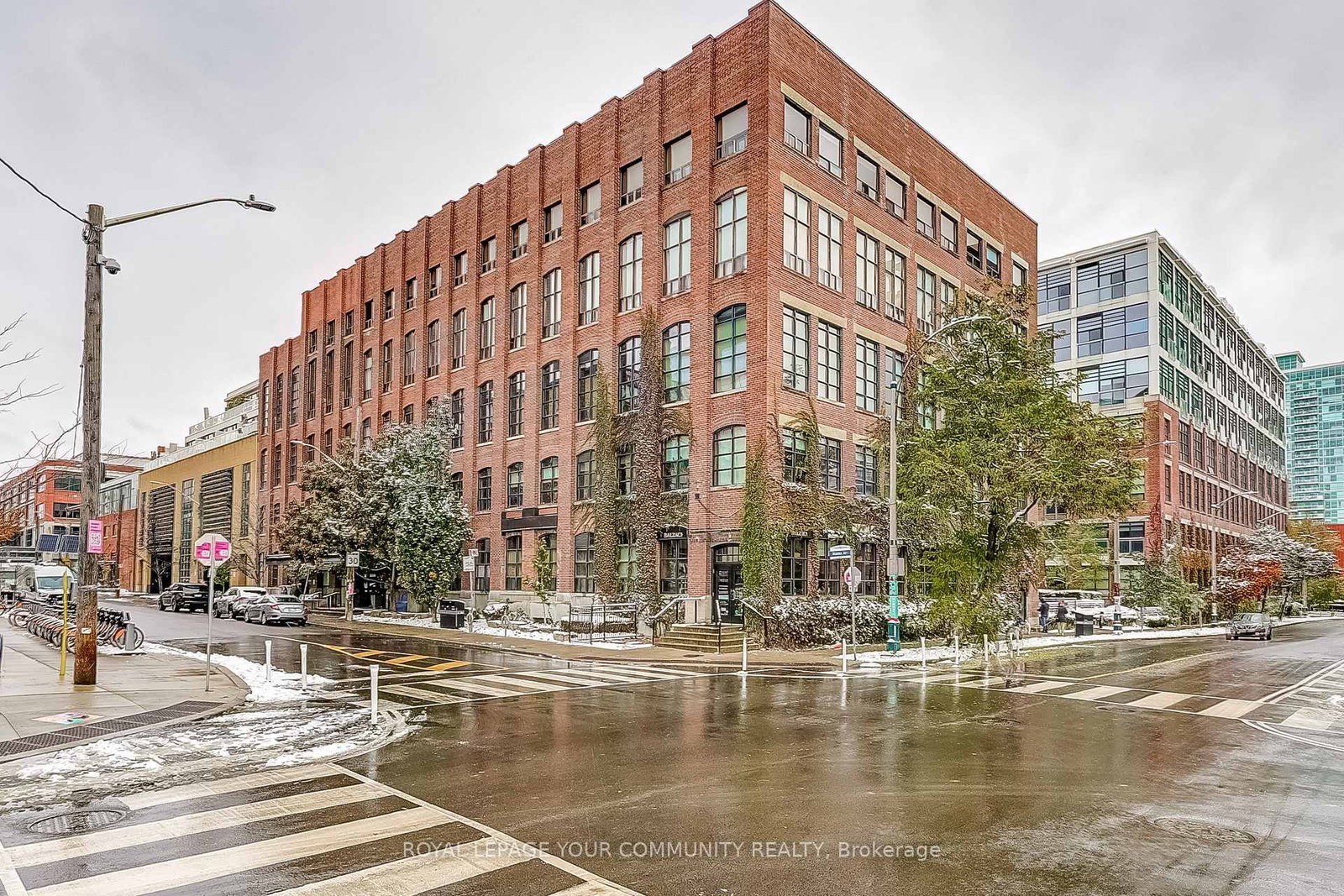
In 2008, the historic structure was transformed into residential lofts by Lanterra Developments and Quadrangle Architects, preserving its original industrial character while adding modern amenities. The building was originally constructed in the early 1900s and was converted into lofts in 2008, preserving many of its original industrial features such as thick brick walls, steel ceiling beams, and Douglas fir posts. Interior work by IV Design Associates completed the transformation, creating a mixed-use structure with residential units, office space, and ground-floor retail.
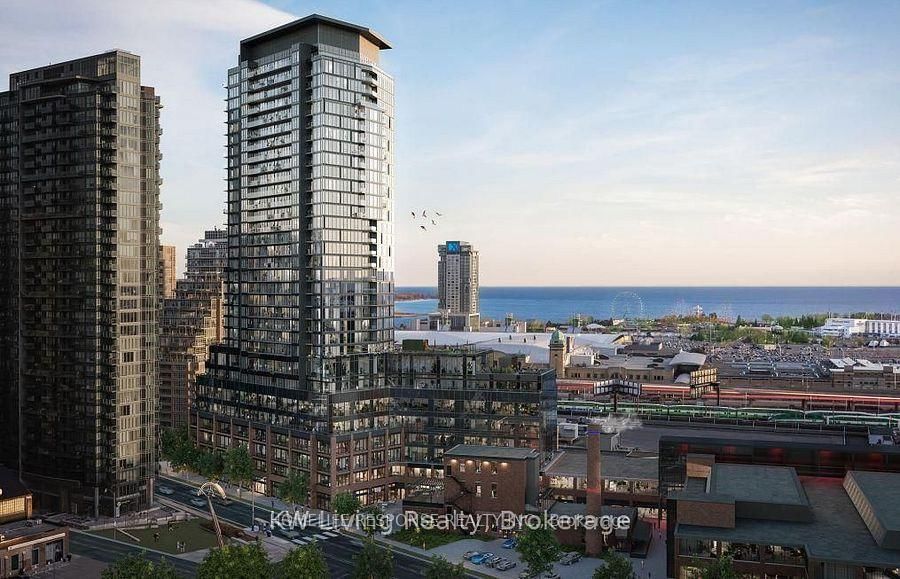
The address sits in the heart of Liberty Village, just south of King Street West and west of Strachan Avenue. Quick access to King West, the waterfront, and Exhibition Place makes it one of the more connected locations in the city. Toy Factory Lofts are often cited among Toronto’s most recognizable loft conversions—the only authentic hard loft residence in Liberty Village.
Toy Factory Lofts Building Profile
The building profile breaks down simply: 43 Hanna Ave, approximately 8 storeys, around 215 residential units in a mixed hard and soft loft configuration. Lanterra Developments handled the conversion, Quadrangle Architects led the architectural redesign, and IV Design Associates crafted the interiors. The conversion completed in 2008.
Unit size ranges tell the full story. One-bedrooms start around 600 to 800 square feet. Larger one-plus-dens and two-bedrooms run 800 to 1,300 square feet. Penthouse lofts reach up to 3,000+ square feet with expansive terraces. Units in toy factory loft conversions range from approximately 700 to over 3,000 square feet and typically feature open-concept layouts.
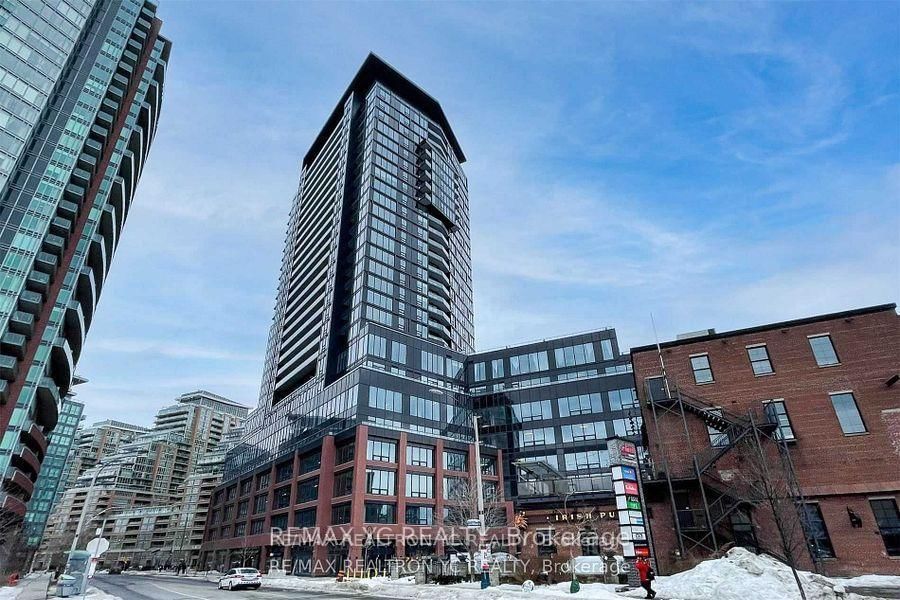
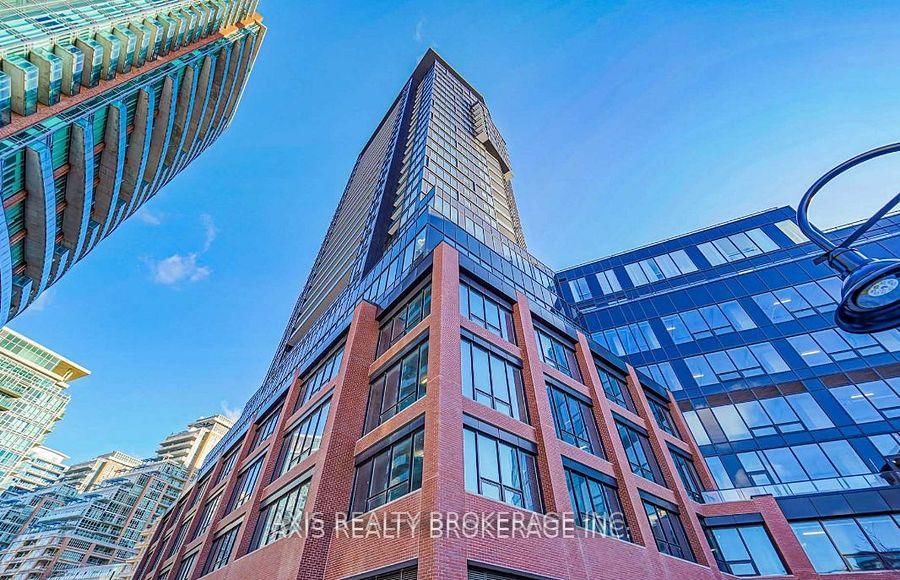
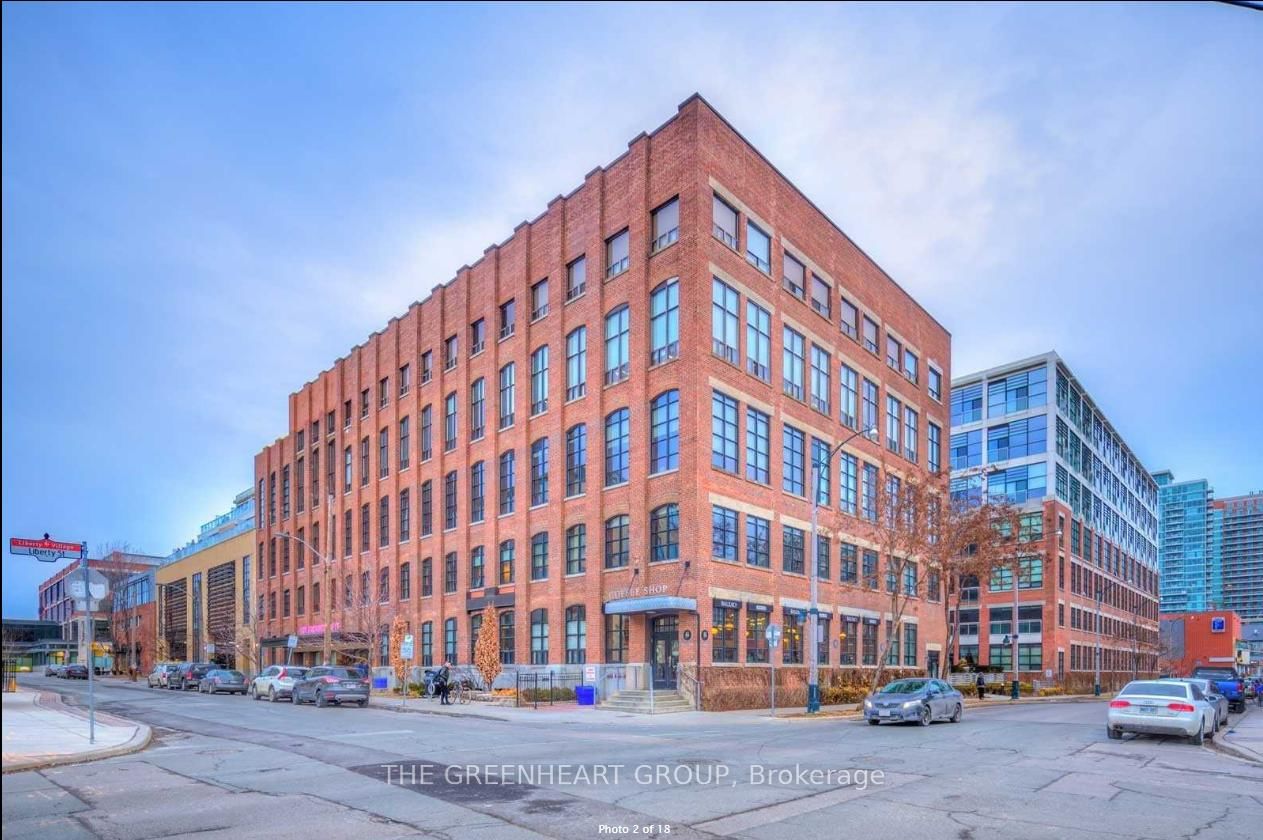
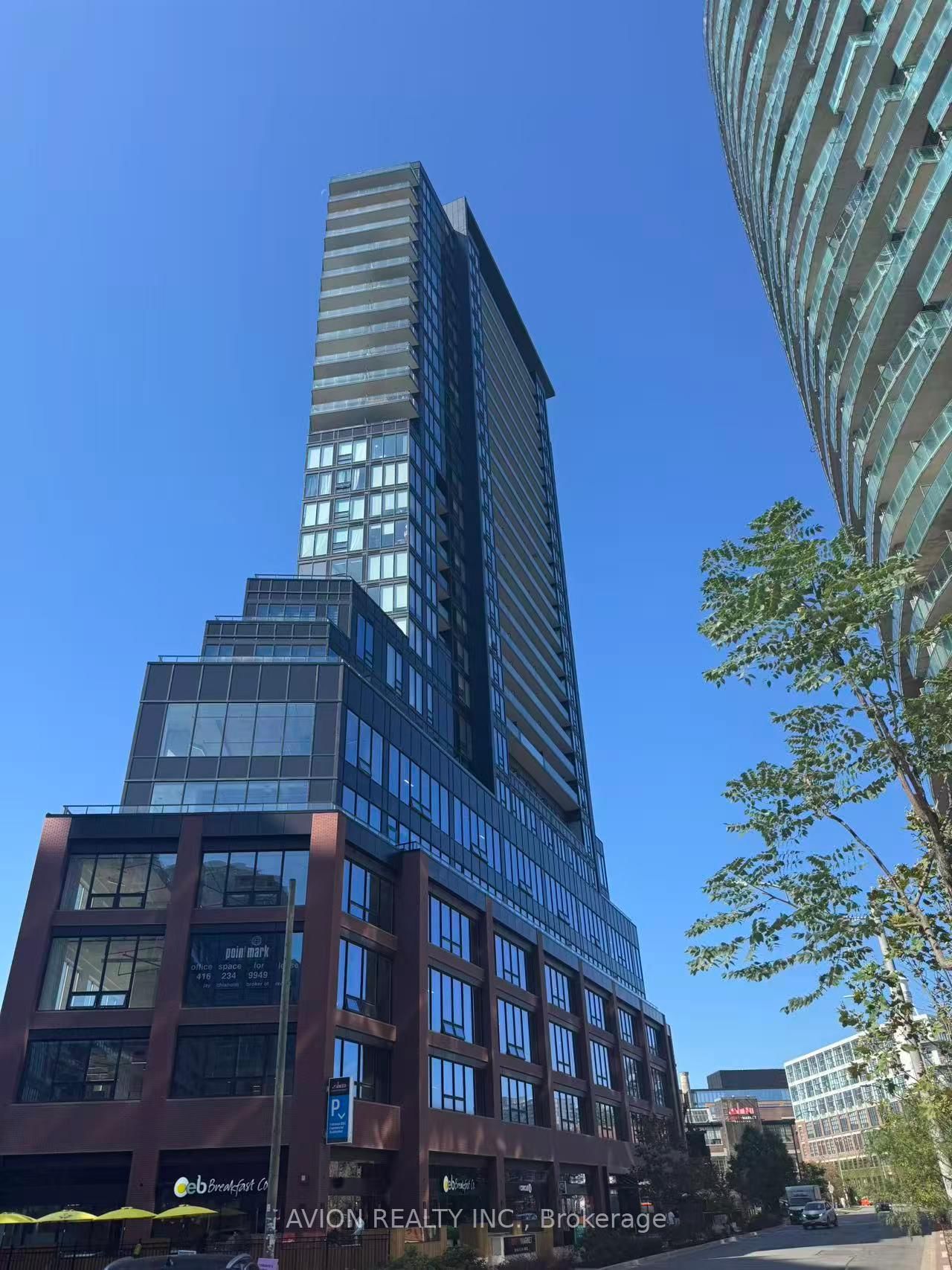
The building form reflects its dual identity: an original brick-and-beam base containing the hard lofts, topped by a three-storey contemporary concrete-and-glass addition housing the soft lofts. Many units include at least one parking space and locker, with underground garage access directly from Hanna Avenue. Secure bicycle storage sits in a dedicated area—practical for a bike-friendly urban setting.
Authentic Hard Lofts
Hard lofts occupy the lower floors, and they’re the real deal. These are true factory conversions retaining the original industrial bones, not reproductions. The Toy Factory Lofts are known for their unique combination of hard and soft lofts, with hard lofts featuring original industrial elements and soft lofts offering modern finishes and ceiling heights up to 17 feet.
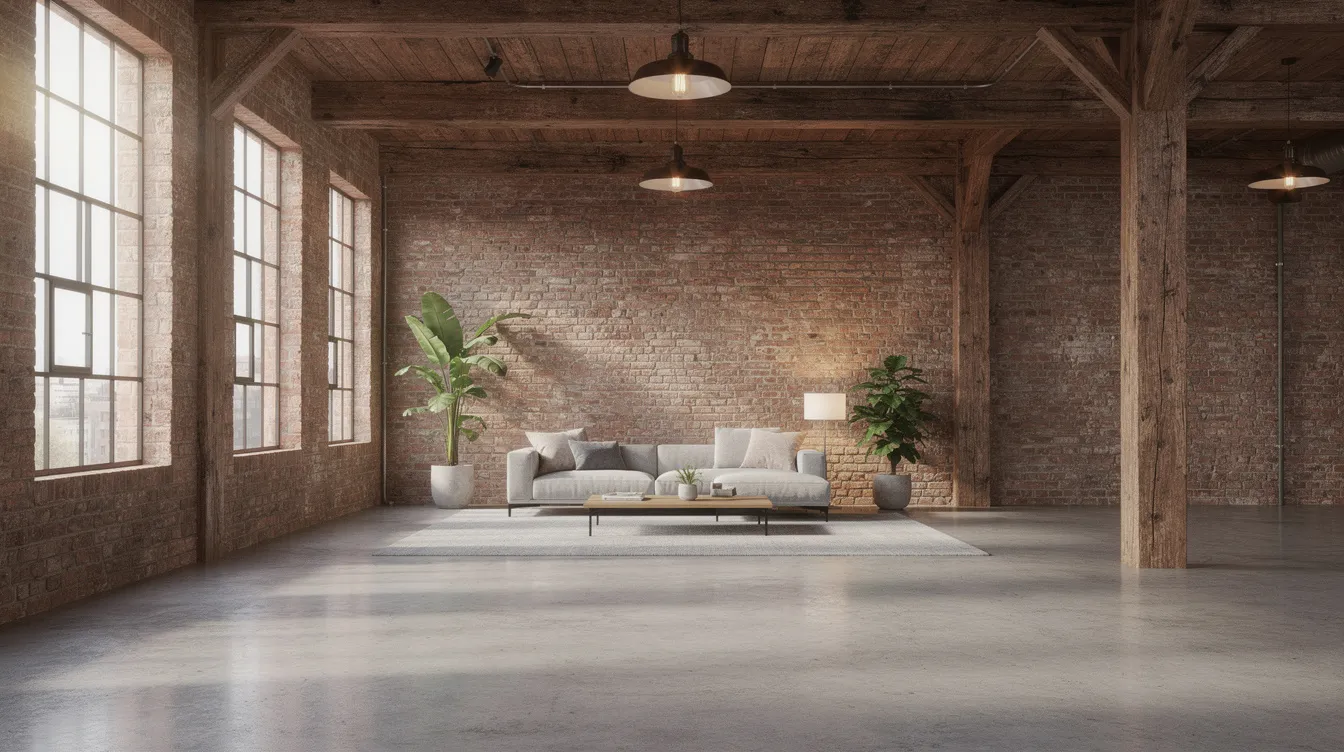
Signature features include exposed red and buff brick perimeter walls several feet thick, solid Douglas fir posts throughout the space, heavy steel ceiling beams combined with visible mechanicals, and concrete floors that anchor the industrial aesthetic. Ceiling heights run around 10 to 12 feet on these levels, with massive warehouse-style windows creating open-concept layouts that feel more like studio or gallery spaces than conventional condos.
Each hard loft has its own unique configuration. Column placement and original factory constraints mean floor plans can be irregular and highly individual. That’s the appeal for buyers who prioritize authenticity over perfectly regular floor plates. These units sell or lease quickly when they come to market—scarcity drives demand.
Modern Soft Lofts (Upper Floors)
Soft lofts occupy the newer construction added above the original structure. They echo the industrial aesthetic through design choices while using modern concrete and glass materials. Modern soft lofts feature contemporary finishes, open-concept spaces, and may include private outdoor areas like terraces.
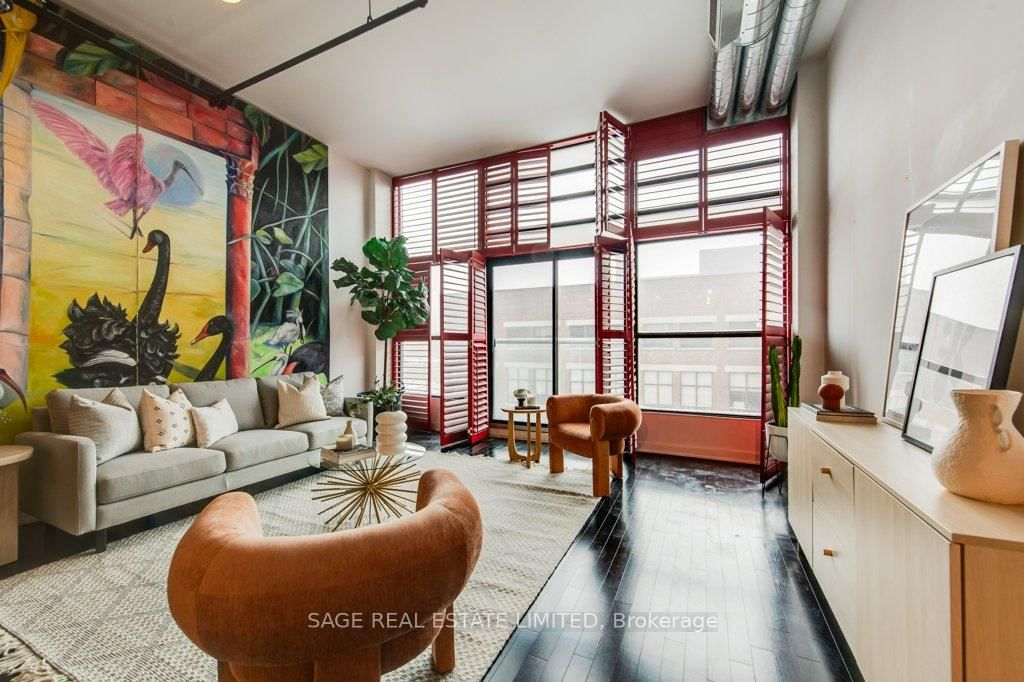
Key features include exposed concrete ceilings, visible ductwork, floor-to-ceiling or near full-height windows, and ceiling heights that can soar up to about 17 feet in certain two-storey units. The light situation is dramatically different from traditional condos—abundant natural light pours through expansive glass.
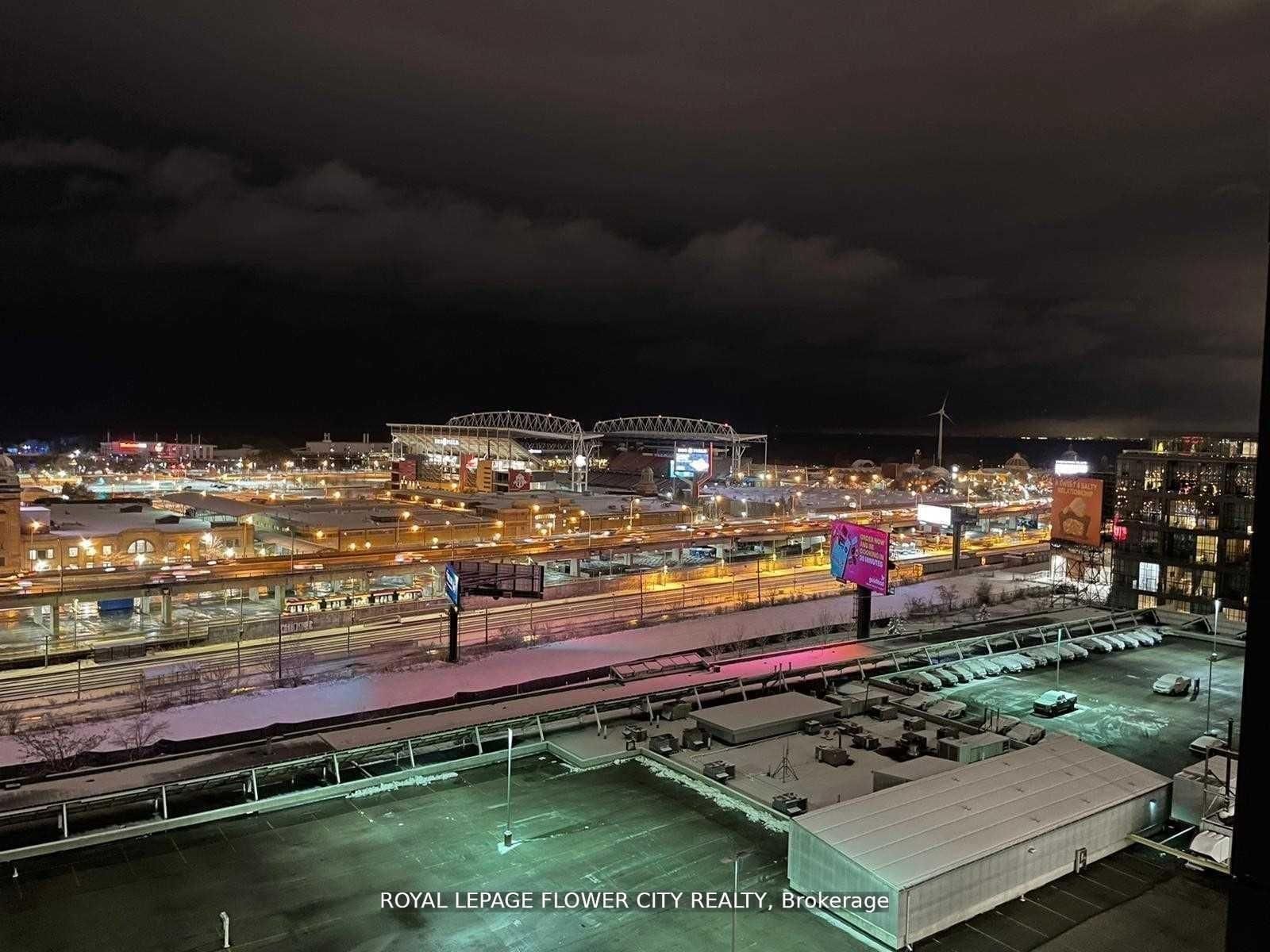
Many upper-floor suites come with private outdoor space: balconies, Juliette balconies, or large rooftop-style terraces. Penthouse offerings reach roughly 3,000 square feet with multi-bedroom and multi-bath layouts, potential private saunas or spa-style bathrooms, and expansive wraparound terraces with east- and south-facing skyline views.
The ambiance difference between hard and soft lofts is real. Hard lofts feel raw, textured, and historically grounded. Soft lofts deliver a more contemporary condo feel with industrial cues—attracting buyers who want character, light, and modern finishes in one package.
Suite Features & Interior Finishes
Toy Factory Lofts offers some of Liberty Village’s best-equipped conversion units in terms of in-suite finishes and design cohesion. Finishes vary somewhat by floor and phase, but most suites share a common industrial-chic palette: natural wood, brick, metal, and polished surfaces.
Four elements define the interior experience: open-concept layouts, thoughtful kitchen design, well-appointed bathrooms, and cohesive flooring and lighting details. Renovation levels differ from unit to unit—original owners and subsequent buyers may have upgraded kitchens, baths, or added custom millwork. Current listings should always be checked for specifics.
Open-Concept Layouts & Ceilings
The majority of suites use open-concept living, dining, and kitchen areas. Minimal interior walls create flexible furniture placement that emphasizes loft volume. Typical ceiling heights hit around 10 to 11 feet in most hard lofts and climb to roughly 17 feet in certain soft loft and penthouse units.
Some multi-level lofts feature mezzanine bedrooms or home-office areas overlooking the main living space. Ideal for residents who work from home or entertain frequently. Large windows bring abundant natural light and often frame views of Liberty Village, the downtown skyline, or the internal courtyard and atrium. The building comprises three different wings and multiple elevator systems to navigate its complex layout.
Kitchens, Baths & Finishes
Typical kitchen specs include designer cabinetry, granite countertops, stainless steel appliances, double-bowl sinks, and overhead track or pendant lighting. Many units retain or have upgraded floating engineered or veneered hardwood floors throughout the main living areas, contributing to the loft’s warm yet modern aesthetic.
Bathroom features run toward deep soaker tubs or glass-enclosed showers, vessel or under-mount sinks, and contemporary tile choices. Individual suites may be renovated beyond original developer specs. Common loft-style touches include exposed ductwork, sliding barn or frosted-glass doors for bedrooms, and accent walls in brick or concrete. Floor plans are playfully named after games to reflect the toy factory heritage.
Building Amenities at 43 Hanna Avenue
Many toy factory loft conversions offer amenities such as fitness centers, 24-hour concierge services, and secure underground parking. Toy Factory Lofts exceeds expectations for heritage conversions, positioning itself as robustly equipped compared with similar buildings.
Amenity themes break into four categories: wellness (gym, steam rooms), social spaces (rooftop terrace, party room), productivity (business centre, Wi-Fi), and everyday practicality (parking, bicycle storage, guest suites). Amenities are primarily located on lower and rooftop levels, with interior common areas designed to echo the building’s industrial roots. Some amenities have reservation systems—verify current policies with management.
Concierge, Lobby & Interior Atrium
The Toy Factory Lofts features a 24-hour concierge service, providing residents with assistance and security around the clock. The concierge is stationed in an elegantly furnished lobby designed by IV Design Associates, featuring lounge styled seating, art, and industrial-inspired decor.
The interior atrium functions as a landscaped courtyard-like space under overhead skylights with patterned floors, planters, and mature trees. This brings greenery into the building’s core—a calm, semi-public area where residents can sit, read, or meet neighbors away from the bustle of Liberty Village streets. Security features include controlled access, cameras, and fob entry operating alongside concierge services.
Rooftop Terrace, Hot Tub & Fitness Facilities
Residents can enjoy a common rooftop terrace equipped with a hot tub, offering views over Liberty Village and the city skyline. Rooftop spaces in toy factory loft conversions often include amenities like hot tubs, BBQ areas, and seating with skyline views.

The terrace offers views toward the downtown skyline, Exhibition grounds, and surrounding brick-and-glass buildings. Think morning coffee, sunset relaxation, or evening lights against the city backdrop. The building includes a well-equipped fitness centre and steam rooms, catering to residents who prefer to work out at home. These amenities prove especially valuable during winter months when outdoor parks and public pools are less accessible.
Business Centre, Guest Suites & Everyday Conveniences
Toy factory loft conversions can include communal areas such as business centers and party rooms for residents. The on-site business centre offers a private boardroom or meeting room with building-wide Wi-Fi coverage, catering to remote workers and small-business owners.
Overnight guest suites function as fully furnished hotel-style rooms that residents can book for visiting friends or family—adding flexibility for those with smaller units. Secure underground parking, visitor parking, and dedicated bicycle storage enhance convenience for both car owners and cyclists. Balzac’s Coffee Roasters on the ground floor provides quick access to specialty coffee, snacks, and informal meeting space without leaving 43 Hanna Ave.
Liberty Village Neighbourhood Guide
Liberty Village is one of Toronto’s most dynamic urban neighborhoods, known for its creative energy, design studios, and vibrant dining and nightlife options. The area is bounded roughly by King Street West to the north, Gardiner Expressway to the south, Dufferin Street to the west, and Strachan Avenue to the east.
The neighborhood has transformed from an industrial hub into a mixed-use community, attracting young professionals, designers, and tech workers since the late 20th century. Zoning changes in the 1990s enabled residential development, and the area evolved from its heavily industrialized origins into a modern live-work-play hub.
Liberty Village features a strong community identity with regular neighborhood events and a dedicated Business Improvement Area that fosters engagement among residents. Toy factory conversions are typically located in revitalized industrial areas and provide proximity to restaurants and shops.
Dining, Nightlife & Coffee Culture
Liberty Village’s restaurant and bar scene delivers variety. School Restaurant handles brunch. Craft Brasserie serves beers and pub fare. Local Public Eatery and nearby King West venues round out the options. The beer store and various specialty shops sit within easy walking distance.
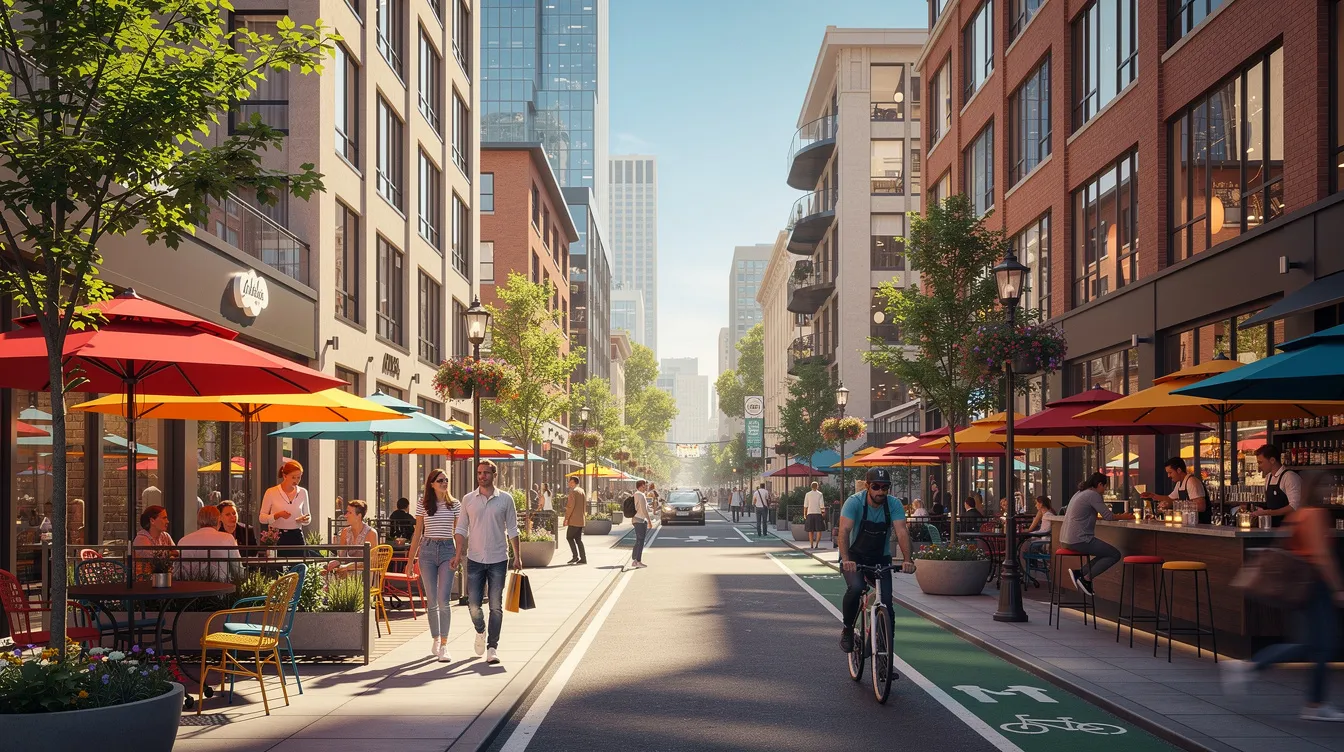
Balzac’s Coffee at the base of Toy Factory Lofts anchors the building’s coffee shops ecosystem, with other nearby cafés and bakeries offering additional options for work sessions, friend meetups, or quick breakfasts. Nightlife ranges from casual pubs to polished cocktail spots within walking distance, with the Entertainment District a short transit or rideshare trip away. Patios, craft breweries, and seasonal events—including sports viewing parties tied to BMO Field events—contribute to a lively evening atmosphere.
A typical day in the life might include breakfast at Balzac’s Coffee, brunch at a nearby spot on East Liberty Street, evening drinks at a local pub, and rideshares to the Entertainment District when the mood strikes.
Parks, Recreation & Events
Key green spaces include Liberty Village Park for quick outdoor breaks, Massey Harris Park to the north, and larger destinations like Trinity Bellwoods Park on Queen Street. Trinity Bellwoods sits roughly a 10 to 15 minute walk from the building—a popular destination for weekend afternoons.
The Martin Goodman Trail and waterfront to the south offer cycling, running, and lakeside walks, accessible via a short walk or bike ride. Proximity to BMO Field, Exhibition Place, and the CNE grounds means residents can walk to major sports matches, concerts, festivals, and the annual Canadian National Exhibition. The combination of parks and event venues gives Toy Factory Loft owners an unusual mix of calm green spaces and big-city entertainment within the same radius.
Transit, Commute & Connectivity
Local transit options start with King Street streetcar stops approximately a few hundred metres north, connecting quickly to King West, the Financial District, and subway lines. Exhibition GO Station to the south provides regional train access east and west across the Greater Toronto Area—useful for commuters who work outside the core.
The nearby Gardiner Expressway ramps provide car access to the DVP, Highway 427, and out-of-town routes. Rush-hour considerations apply as with any downtown-adjacent location. Billy Bishop Toronto City Airport on the Toronto Islands sits roughly 3 km away, making short-hop flights to cities like Montreal or New York particularly convenient.
Realistic commute times include quick transit to Union Station or the Financial District, cycling options through dedicated lanes, or driving with rush-hour awareness. The building’s location near similar buildings in Little Portugal and the broader west-end provides multiple route options.
Buying, Selling & Renting at Toy Factory Lofts
Inventory at Toy Factory Lofts is limited. Units come to market sporadically and often draw multiple interested buyers or tenants. The old factory character creates consistent demand.
Values are influenced by floor level, exposure (street versus courtyard), whether the unit is a hard or soft loft, outdoor space size, parking inclusions, and level of in-suite renovation. One-bedroom units have historically started in the mid-$500,000s range for context, but current 2026 pricing reflects broader Toronto market shifts and requires real-time checks for current details.
Rentals appeal to those who want to experience authentic loft living without committing to a purchase. Rent levels vary by unit size, finish, and view. Work with an agent who understands loft-specific considerations: noise transmission, heating and cooling in tall spaces, and heritage-building maintenance fees.
What to Look For as a Buyer
Decide early whether you prefer a true hard loft (more character, irregular layouts) or a soft loft (more typical condo conveniences, often more glass and outdoor space). This is the fundamental choice that shapes everything else.
Evaluate concrete factors: ceiling heights, window size, natural light direction, presence of a balcony or terrace, parking and locker inclusions, and proximity to elevators or mechanical rooms. Review the building’s status certificate and recent reserve fund studies to understand maintenance planning in a heritage conversion context. Maintenance fees cover insurance, common elements, concierge, security, and shared utilities.
In-person visits at different times of day reveal noise levels and light quality. Compare different floor levels and exposures—street-facing versus courtyard-facing can dramatically change the experience. First time buyer or experienced investor, the same fundamentals apply.
Considerations for Sellers & Landlords
Sellers should highlight unique loft features in marketing: exposed brick, beams, ceiling height, upgraded finishes, view lines, and outdoor space. These details differentiate from standard condos and justify premium pricing. Building details matter to loft buyers.
Staging strategies that keep sightlines open work best. Minimal tall furniture, careful lighting, and neutral tones showcase brick and wood textures. Landlords should be explicit in listings about ceiling heights, pet policies, parking availability, and included utilities—these are common tenant questions.
Professional photos and accurate floor plans are especially important since loft layouts vary widely even within the same building stack. The sale or rent process benefits from agents versed in loft-specific issues like noise transmission, tall-space HVAC, and heritage upkeep.
Frequently Asked Questions about Toy Factory Lofts
This FAQ addresses common questions not fully covered in the main article, focusing on practical living details at 43 Hanna Ave. While answers are accurate to the best available information as of 2026, specifics like fees or rules can change and should be verified with building management or a real estate professional.
Are pets allowed at Toy Factory Lofts?
Toy Factory Lofts is generally considered pet-friendly, with many residents owning cats and small to medium-sized dogs. Building bylaws may include rules on number, size, and certain breeds. Pets typically must be on leash in common areas, and some amenities may restrict animal access.
Prospective owners and tenants should review the most recent condo declaration and rules, or consult property management, before finalizing a move with pets. Touch gestures double tap and other accessibility features on building apps can help navigate pet policy documents.
How noisy is it living in a former factory building?
The original concrete and brick walls offer solid sound insulation between some units. However, open-concept layouts and high ceilings can allow internal sound to travel within a suite. Touch gestures and sound-dampening strategies help manage acoustic concerns.
Street-facing units may experience more noise during peak traffic or event times—BMO Field and Exhibition Place host major events regularly. Interior or courtyard-facing units tend to feel quieter. Sensitive buyers or tenants should visit at different times of day and consult their agent about specific stack histories.
What do maintenance fees typically cover at Toy Factory Lofts?
Maintenance fees generally cover building insurance, upkeep of common elements including the lobby, atrium, rooftop, and gym, concierge and security services, shared utilities for common areas, and water for individual suites. The building provides metric and imperial units in official documentation.
Hydro and sometimes heating and cooling are usually billed separately to each unit. Parking may involve additional costs depending on ownership or rental arrangements. Fee amounts vary with unit size and location, averaging in the mid-hundreds per month range. Review the status certificate and most recent condo budget for precise figures.
Are short-term rentals like Airbnb permitted in the building?
Many Toronto condo boards, including heritage lofts, have adopted rules that restrict or prohibit short-term rentals under a certain number of days. These policies protect resident security and reduce building wear. City-wide regulations also apply, requiring registration and adherence to principal residence rules for legal short-term hosting.
Owners should consult Toy Factory Lofts’ current bylaws and the City of Toronto’s short-term rental regulations before considering platforms like Airbnb or VRBO. Compliance with both building and municipal rules is essential.
Is Toy Factory Lofts a good long-term investment?
Toy Factory Lofts has historically been viewed as a desirable building due to its scarcity of authentic hard loft units, strong amenity mix, and prime Liberty Village location close to downtown and transit. Heritage character and limited new supply of true factory loft conversions can help support relative demand over time compared with more generic high-rise condos.
Market performance depends on broader economic conditions, interest rates, and personal financial goals. Buyers should seek advice from qualified real estate and financial professionals. The historic roots and unique character position the building well, but no investment is guaranteed.
Location
43 Hanna Avenue, Toronto ON M6K 3P6